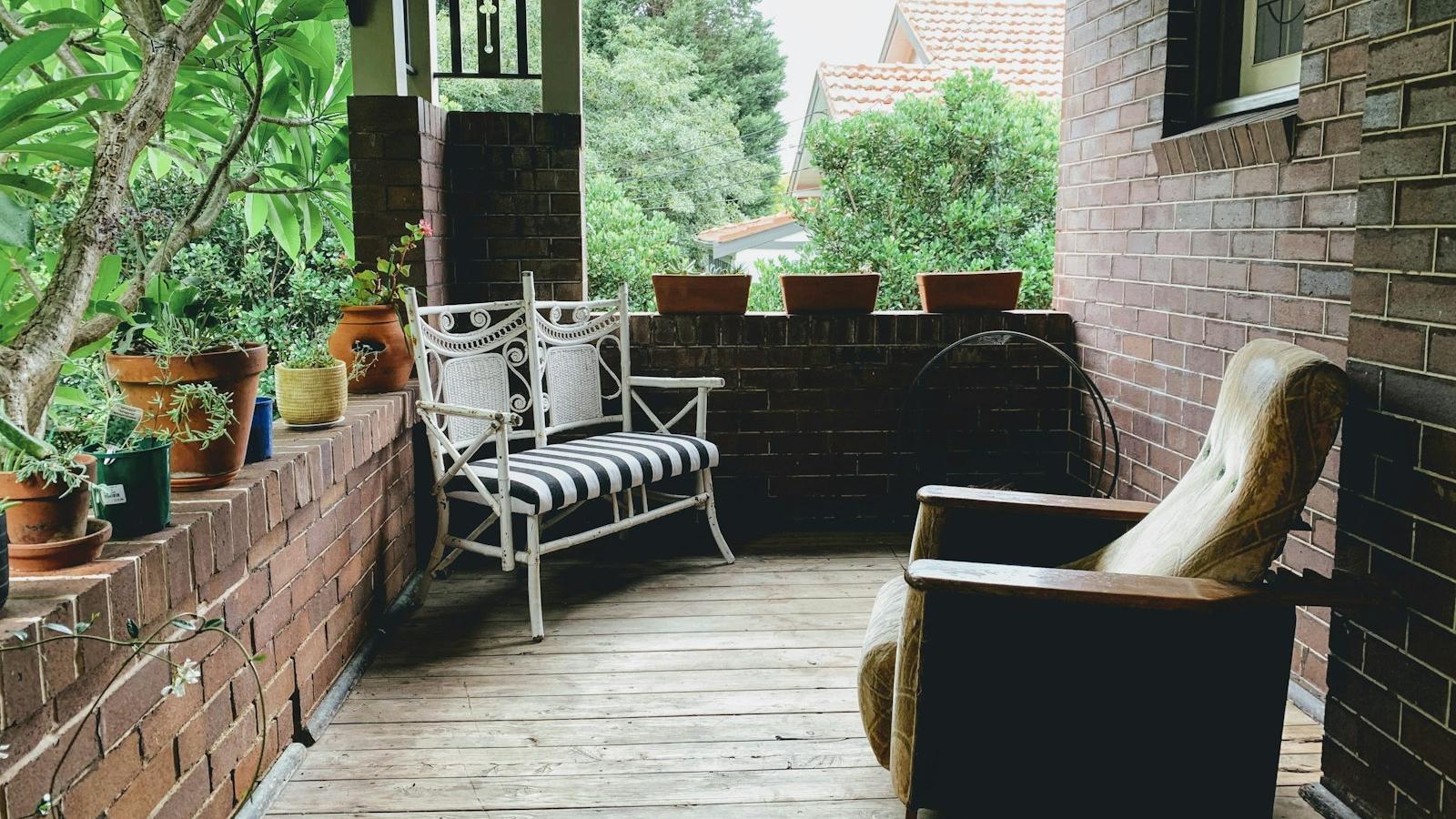
Booking sites are good at one thing: putting your guesthouse, cottage or B&B in front of people who've never heard of you. That's worth something. But they take a commission (a percentage of every booking) for it, and they keep the guest's details, so the next time that guest wants to come back, they often book through the same site again.
Your own website can't replace booking sites overnight, and it doesn't have to. Its job is to make booking with you directly the easiest choice for anyone who already knows your name: returning guests, people who found you on Google Maps, and people who saw you on a booking site and then searched for you to look a little closer.
Here's what makes the difference, whether you run a cottage in the Southern Highlands, a guesthouse in the Blue Mountains, or a stay among the vineyards of the Hunter Valley or Orange.
A booking button people can't miss
The single most important thing on a B&B website is a clear Book now or Check availability button, near the top of every page, that works properly on a phone.
- One button, one meaning. Not "Enquire", "Contact" and "Reserve" all doing slightly different things.
- Straight to the dates. Guests want to see if their weekend is free. Every extra form or step loses people.
- Use the system you already have. If you use a booking system or a channel manager (software that keeps your availability the same across every booking site), it almost always has a booking page or button we can put on your website. Your calendar stays in one place, and you avoid double bookings.
- No booking system yet? We can add simple online bookings to your site for $350 (No GST charged), or start with a clear enquiry form and a phone number and grow from there.
Then give people a reason to book direct. You don't need to undercut the booking sites. A late checkout, a bottle of local wine, a welcome hamper or a simple "best rate when you book with us" is often enough. Say it plainly, right beside the button.
Photos that sell the stay
Guests choose accommodation almost entirely with their eyes. Good photos do more work than any amount of description.
- Every room, in daylight, taken from the doorway so people can picture the whole space.
- The view, the garden and the fireplace, or whatever guests talk about after they leave.
- The bathroom and the kitchen. People always want to see them, and leaving them out makes guests wonder why.
- Shown whole and true to life. No heavy filters, and nothing cropped awkwardly. If a guest arrives and it looks different, it shows up in your reviews.
- Sized for the web. Big photo files make a site slow. They can be made far smaller without looking any different.
Answer the questions before they're asked
Every email asking "Is there parking?" or "Can we bring the dog?" is a guest who nearly booked somewhere else. Put the answers on the page:
- Check-in and check-out times, and how you get the keys.
- How many guests, the bed sizes and whether children are welcome.
- Pets, parking, accessibility, wifi and whether there's air conditioning or a fire.
- Your cancellation policy, in plain words.
- The price, or at least a "from" price per night. Hiding it makes people leave.
A short, well-organised page of these answers saves you time on the phone and helps guests feel confident enough to book.
A local guide page
This is one of the most useful pages you can add, and most places don't have one.
Write a simple guide to your area: the cafés you'd send a friend to, the walks, the cellar doors, the lookouts, the markets and the best rainy-day options. Keep it honest and personal. "Our favourite breakfast is ten minutes down the road" reads better than a list copied from a tourism website.
A local guide page helps in three ways:
- It helps guests picture their trip, and they're more likely to book once they can.
- It helps you get found. People search for things like "things to do in Bowral" or "walks near Blackheath". A real page about your area gives Google another reason to show your website.
- It saves you answering the same questions every time someone checks in.
Update it once or twice a year, when a favourite place closes or a new one opens.
Your Google Business Profile
When someone searches "B&B Mittagong" or "cottage near Orange", Google often shows a map with a few places on it before any websites. That listing comes from your Google Business Profile, a free listing you manage yourself.
Make sure yours has the right category, good photos, your website address and accurate contact details. Add a link to your own booking page, not just to a booking site. We've written a step-by-step guide to getting found on Google Maps that covers this.
Reviews, in your own space
Guests trust other guests. Your reviews on Google and booking sites matter, so:
- Ask happy guests for a Google review when they leave, with a short link in your thank-you email.
- Reply to every review, thanking the good ones and answering the poor ones calmly. Future guests read your replies.
- Show a few real reviews on your website, word for word, with the guest's first name and when they stayed. Only use reviews you actually received.
Fast on a phone, even on a weak signal
Most people will first see your website on their phone, often on the road, in the car, or somewhere with patchy reception. Mountains, valleys and country roads are hard on mobile signals.
A fast website keeps them there. That means smaller photos, no slow pop-ups, no autoplaying video, and pages that show the important things (photos, price and the booking button) first. It also means your phone number is a tap-to-call link, so someone running late can ring you without copying it down.
Keep the guest relationship
When guests book directly, you have their email address. With their permission, a short email once or twice a year about a winter special or a new cottage brings people back, without a commission. Add a simple sign-up box to your site, and a tick box on your booking form.
A quick checklist
- [ ] A clear booking button near the top of every page.
- [ ] A reason to book direct, stated plainly.
- [ ] Good daylight photos of every room, shown whole.
- [ ] Prices, policies and the practical answers on the page.
- [ ] A local guide page written in your own voice.
- [ ] A complete Google Business Profile linking to your own site.
- [ ] Real reviews, and replies to every one.
- [ ] Quick to load on a phone, with tap-to-call.
Where to start
Most B&Bs and holiday stays need nothing more than our new small business website: up to 6 pages, works on phones, a contact form and ready for Google (titles, local details, fast on phones), with 2 rounds of changes, for $990 (No GST charged). If you'd like guests to book on your site, online bookings are an extra $350. If you'd rather not think about updates and backups, our website care plans start from $99 a month (No GST charged).
We work with accommodation across the Southern Highlands, Blue Mountains, Hunter Valley and Orange. To see what your site would cost, try our quick quote, or just book a free chat.
- Tags:
- Selling online
Keep reading